I finally finished my dissertation proposal, and I'm quite excited about it!
When I leave university I would like to train as an art therapist. I like the thought of helping people express themselves and problem solve through making art. I have an understanding of the therapeutic nature of drawing and making. It has always calmed me down and been a good release of emotional stress for me. I would like to see how this method is used to target specific problems and illnesses which would typically be solved through medication and other forms of therapy. Can making art really help with diagnosed psychological problems?
I did some research into this form of therapy and found it had many uses. Art therapy’s role in helping with dementia patients and people with memory loss was instantly appealing to me. My grandmother has developed problems with her memory over the past few years and as it has gotten worse I have seen the impact it has on the person themselves and the people closest to them. Although there are different kinds and levels of memory loss the immediate problem seems to be forgetting everyday things and needing help with tasks that were not considered a problem at all before. Psychologically I would think that this would be extremely difficult for someone to come to terms with, especially when the person was perfectly independent before. Medication may therefore be a difficult method of help. People with memory loss may often forget to take their medication or feel they do not need or want to take it. Perhaps therapy is a gentler, more acceptable method of intervention.
I feel it would be beneficial to thoroughly research illnesses which cause memory loss. I am aware that this is a huge area to cover, but I think a summary of the causes, physical symptoms and emotional effects of memory loss is essential to understand why methods such as therapy are needed. I feel a general study of treatment is also required, what has worked in the past and how many different methods of treatment are available today. Although I have my own experience of the effects of memory loss I do not know much about different types. I would like to understand what dementia is, for instance, and why this is different to what my grandmother is experiencing.
I will then research art therapy itself, its uses and why it is effective. I would like to try and find case studies of successful and unsuccessful therapies, to asses which aspects of therapy are effective. I would like to see if it is possible to compare therapy users with people who rely on medication, do people only rely on one or the other or is it a combination of both?
The next important question is what does art therapy mentally do for people with memory loss? I would like to find out what it actually does; does it bring back memories? Does it improve future memory loss issues? Does it make someone who may feel a huge range of emotions from depression and frustration to loneliness feel less isolated?
I would like to then look into the practical techniques used by art therapists and possibly try some of these out with my grandmother to see some results first hand. I would like to try and set up a placement with an art therapist to observe and take part in the therapy process; however from my own research I have read that this is a difficult thing to do as it is such a personal experience.
In conclusion of what I propose to investigate for my dissertation, I aim to have a clear understanding of memory loss, art therapy and how they go together. I would like to gain some experience of the practical uses of art therapy and experiment with them myself and with my family to understand if art therapy is an effective way of dealing with memory loss.
Sunday, 13 March 2011

Thursday, 3 March 2011
Roots
Our group has now changed it's business completely! We have decided to create a mobile application, 'Roots'. It will allow users to collect vouchers using a point system depending on how much exercise they do. This application will cost £3/£5 a month and the vouchers will be able to be used in local shops, pubs and leisure centers. Perfect for the post-consumer lifestyle!
We have now made a business plan, company profile, financial forecast and now just need to sort out our presentation. We will be millionaires in no time.
We have now made a business plan, company profile, financial forecast and now just need to sort out our presentation. We will be millionaires in no time.
Friday, 4 February 2011
Eco Jim!!

For part of our design studies assignment my group had to think up a business proposal.We came up with several ideas including:
A textile company that re-invents your clothing or shows you how to.
An online forum for post consumerist lifestyle.
A neighbourhood allotment.
But decided on 'make your own energy'!
The initial concept for 'make your own energy' involves building a gym where the amount of energy you generate through exercise is taken off your energy bills. This would lower energy consumption and help with health matters!
Introducing our mascot: Eco Jim!

Friday, 21 January 2011
Each member of our team has done the 'Learning Styles' survey. My results were:
Activist - very strong
Reflector - very low
Theorist - low
Pragmatist - moderate
At first, I pretty much agreed with this test, which surprised me as I usually say these type of tests are a waste of time. I think I fit into the 'activist' mode; I find it difficult to absorb information through listening in lectures or from instructions and I love problem solving and team work.
However, after looking at my results for the other categories I have a problem with this test. I think different learning skills are required for different situations; with studio work I like to get things done without over thinking research, but with Design Studies work I enjoy reading and researching.
Discussing the test in the meeting did not bring very satisfying results. Since we hardly know each other it was hard to analyse each others learning style. However we did make a chart with our results to find out what we were like as a group, and if we work together well.

As a group we have quite a wide variety of learning styles. A few of us tend to lead the discussion, others listen well. Altogether though I think we work fairly well.
To improve my learning style I need to consider different ideas before jumping excitedly into a project.

Activist - very strong
Reflector - very low
Theorist - low
Pragmatist - moderate
At first, I pretty much agreed with this test, which surprised me as I usually say these type of tests are a waste of time. I think I fit into the 'activist' mode; I find it difficult to absorb information through listening in lectures or from instructions and I love problem solving and team work.
However, after looking at my results for the other categories I have a problem with this test. I think different learning skills are required for different situations; with studio work I like to get things done without over thinking research, but with Design Studies work I enjoy reading and researching.
Discussing the test in the meeting did not bring very satisfying results. Since we hardly know each other it was hard to analyse each others learning style. However we did make a chart with our results to find out what we were like as a group, and if we work together well.

As a group we have quite a wide variety of learning styles. A few of us tend to lead the discussion, others listen well. Altogether though I think we work fairly well.
To improve my learning style I need to consider different ideas before jumping excitedly into a project.

Wednesday, 17 November 2010
Eco Chic & War on Want
I have chosen 'Eco Chic', which was probably the best resource for me in writing my Wiki essay and 'Fashion Victims' by War on Want, which is fantastic for statistics and research in factories overseas to analyse for my dissertation research so far.
Eco Chic – Matilda Lee analysis
The main purpose of the book ‘Eco Chic’ by Matilda Lee is to inform consumers about the real price of their clothing by researching labour standards for popular brands, looking into our current ‘consumer culture’, damage to the environment from this culture and from the process of making clothing.
The key question addressed for my topic is how ethical our fashion is:
“How could there ever be a place for ethics in an industry dominated by aesthetics” – Matilda Lee
The most helpful information provided in this book for me is the specific examples of poor labour standards in clothing factories. Lee talks about how factories have moved their production abroad to increase profit and gives many examples of companies which have done this and the effect this has had on many workers lives. This is all taken from research done in other countries which provide our clothing and this helps to support the idea that our fashion and consumer culture is only possible at the cost of poor living standards for workers overseas.
The author has looked at Multi Stakeholder Initiatives (MSI) as part of her research to see what these organisations are doing when working with companies to improve the situation. This information shows what companies are trying to do to improve their labour sources. She has also looked at many books and articles to support her arguments; each piece of information is backed up well with research.
The main conclusions that the book comes to are that we all need to try to change the consumer culture that we currently have. We should practice ‘smart shopping’ by looking for fair-trade, refashioned or second hand clothes. Ultimately we need to stop buying so much and instead looking for quality clothing that will last and is ethically sourced.
The key concepts we need to understand in this book are about eco fashion, ethical fashion and ethical labour. The author thoroughly explores different areas of ethical fashion and also gives the reader ideas for becoming more eco friendly and thoughtful about where their clothing is sourced.
If we took everything in the book seriously and everyone acted on it we would start to get a more ethical and sustainable fashion industry. This would mean changing the way that we shop, what we buy and how often we throw away clothes. It would therefore be far better for the government to take action, to set in place labour standard laws or make corporations commit to a MSI to improve working conditions and to improve the quality of our clothing in order to make it last longer and do less damage to our environment..
If, however, nothing is done about the problem, workers overseas will continue to suffer from low wages and bad working conditions and there will be serious implications for the environment. The authors main point of view is that we cannot continue with our consumerism and must work together to become more ethical and eco-friendly.
War on Want - Khorshed Alam – Fashion Victims (2006) analysis
The main purpose of the article is to inform fashion consumers about the implications of their budget clothing bought from the big clothing companies Asda, Tesco and Primark, to give information about Multi Stakeholder Initiatives (MSI) and how effective they are in maintaining good living standards for overseas workers by giving a set of fair labour principles, to try to send a message to these three companies and also to the UK government to try and improve the current situation.
These corporations have agreed to stick to a set of principles which should provide good working conditions and a living wage for garment workers. War on Want asks why, then, they are not being held accountable for the terrible working conditions and shockingly low pay rates, which still exist in their factories in other countries.
In the article there is a huge amount of research and evidence about poor labour standards overseas. This information is extremely useful in seeing what the current situation is like in other countries, especially as it is quite a recent research article.
War on Want work closely with the National Garment Workers Federation as well as many other ethical labour organisations. This article is based on primary research carried out by War on Want in six factories in Bangladesh where interviews were set up with sixty workers to find out about their working hours, breaks, pay rates and general treatment from management.
This article is meant to evoke change. The conclusions in the article are that the labour standards are shockingly bad and change is needed to improve the lives of these workers. It gives us examples of what action is required at the end; Consumers need to start shopping for ethical clothing and avoid the places mentioned as much as possible, and the government needs to lay down strict regulations concerning working conditions.
The key concept is about why the government is not doing anything about bad labour standards. War on Want is campaigning all the time to get labour laws changed and for these companies to stick to their promises of fair pay and labour.
If this article was taken seriously by governments War on Want might get what they have been campaigning for; companies would have to change their sourcing policies, workers would be paid properly and working conditions would improve for overseas garment workers.
The main points of view are that our clothes are far too cheap at the cost of poor living standards for workers overseas, that big companies get away with this unfair treatment but still claim to be sticking to a set of principles about fair labour, that our government is not setting strict regulations about treatment of workers and that our consumer culture cannot be sustained. War on Want is campaigning to change all of these things and has been for years. Following this report another was carried out in 2009 which found that nothing had changed in three years.
Eco Chic – Matilda Lee analysis
The main purpose of the book ‘Eco Chic’ by Matilda Lee is to inform consumers about the real price of their clothing by researching labour standards for popular brands, looking into our current ‘consumer culture’, damage to the environment from this culture and from the process of making clothing.
The key question addressed for my topic is how ethical our fashion is:
“How could there ever be a place for ethics in an industry dominated by aesthetics” – Matilda Lee
The most helpful information provided in this book for me is the specific examples of poor labour standards in clothing factories. Lee talks about how factories have moved their production abroad to increase profit and gives many examples of companies which have done this and the effect this has had on many workers lives. This is all taken from research done in other countries which provide our clothing and this helps to support the idea that our fashion and consumer culture is only possible at the cost of poor living standards for workers overseas.
The author has looked at Multi Stakeholder Initiatives (MSI) as part of her research to see what these organisations are doing when working with companies to improve the situation. This information shows what companies are trying to do to improve their labour sources. She has also looked at many books and articles to support her arguments; each piece of information is backed up well with research.
The main conclusions that the book comes to are that we all need to try to change the consumer culture that we currently have. We should practice ‘smart shopping’ by looking for fair-trade, refashioned or second hand clothes. Ultimately we need to stop buying so much and instead looking for quality clothing that will last and is ethically sourced.
The key concepts we need to understand in this book are about eco fashion, ethical fashion and ethical labour. The author thoroughly explores different areas of ethical fashion and also gives the reader ideas for becoming more eco friendly and thoughtful about where their clothing is sourced.
If we took everything in the book seriously and everyone acted on it we would start to get a more ethical and sustainable fashion industry. This would mean changing the way that we shop, what we buy and how often we throw away clothes. It would therefore be far better for the government to take action, to set in place labour standard laws or make corporations commit to a MSI to improve working conditions and to improve the quality of our clothing in order to make it last longer and do less damage to our environment..
If, however, nothing is done about the problem, workers overseas will continue to suffer from low wages and bad working conditions and there will be serious implications for the environment. The authors main point of view is that we cannot continue with our consumerism and must work together to become more ethical and eco-friendly.
War on Want - Khorshed Alam – Fashion Victims (2006) analysis
The main purpose of the article is to inform fashion consumers about the implications of their budget clothing bought from the big clothing companies Asda, Tesco and Primark, to give information about Multi Stakeholder Initiatives (MSI) and how effective they are in maintaining good living standards for overseas workers by giving a set of fair labour principles, to try to send a message to these three companies and also to the UK government to try and improve the current situation.
These corporations have agreed to stick to a set of principles which should provide good working conditions and a living wage for garment workers. War on Want asks why, then, they are not being held accountable for the terrible working conditions and shockingly low pay rates, which still exist in their factories in other countries.
In the article there is a huge amount of research and evidence about poor labour standards overseas. This information is extremely useful in seeing what the current situation is like in other countries, especially as it is quite a recent research article.
War on Want work closely with the National Garment Workers Federation as well as many other ethical labour organisations. This article is based on primary research carried out by War on Want in six factories in Bangladesh where interviews were set up with sixty workers to find out about their working hours, breaks, pay rates and general treatment from management.
This article is meant to evoke change. The conclusions in the article are that the labour standards are shockingly bad and change is needed to improve the lives of these workers. It gives us examples of what action is required at the end; Consumers need to start shopping for ethical clothing and avoid the places mentioned as much as possible, and the government needs to lay down strict regulations concerning working conditions.
The key concept is about why the government is not doing anything about bad labour standards. War on Want is campaigning all the time to get labour laws changed and for these companies to stick to their promises of fair pay and labour.
If this article was taken seriously by governments War on Want might get what they have been campaigning for; companies would have to change their sourcing policies, workers would be paid properly and working conditions would improve for overseas garment workers.
The main points of view are that our clothes are far too cheap at the cost of poor living standards for workers overseas, that big companies get away with this unfair treatment but still claim to be sticking to a set of principles about fair labour, that our government is not setting strict regulations about treatment of workers and that our consumer culture cannot be sustained. War on Want is campaigning to change all of these things and has been for years. Following this report another was carried out in 2009 which found that nothing had changed in three years.
Tuesday, 2 November 2010
The Art and Science of Believable Facial Animation
I have just been to a great talk by Robert Sloan at the McManus Galleries. I decided to start having a look at different fields in art and I have always been interested in animation so this was very interesting.
The speaker talked about the 'uncanny valley', which I had never heard of. It is interesting that the more life like characters are the less viewers like them, and actually the less human they look. In a clip with James May he showed that life like robots are actually pretty horrific. Learning about this ruined 'The Polar Express' for me anyway, I hadn't noticed how creepy the characters actually are until this was pointed out. It was interesting to learn that viewers relate better to characters in 'Toy Story 3' to photographs of real people!
The speaker talked about the 'uncanny valley', which I had never heard of. It is interesting that the more life like characters are the less viewers like them, and actually the less human they look. In a clip with James May he showed that life like robots are actually pretty horrific. Learning about this ruined 'The Polar Express' for me anyway, I hadn't noticed how creepy the characters actually are until this was pointed out. It was interesting to learn that viewers relate better to characters in 'Toy Story 3' to photographs of real people!
Sunday, 24 October 2010
Reading week!
Over reading week my group met up to discuss our dissertation topics. Initially I had decided to choose a different topic to our last assignment but after discussing ethical labour I have changed my mind and am going to stick with it. We started a mind map each which I have developed a bit further:

I have also been developing my studio work and am finally catching up I think! My sketchbook is filling up and I have the challenge of trying printing this week since I switched from knit, not a clue what I am doing!

I have also been developing my studio work and am finally catching up I think! My sketchbook is filling up and I have the challenge of trying printing this week since I switched from knit, not a clue what I am doing!
Wednesday, 13 October 2010
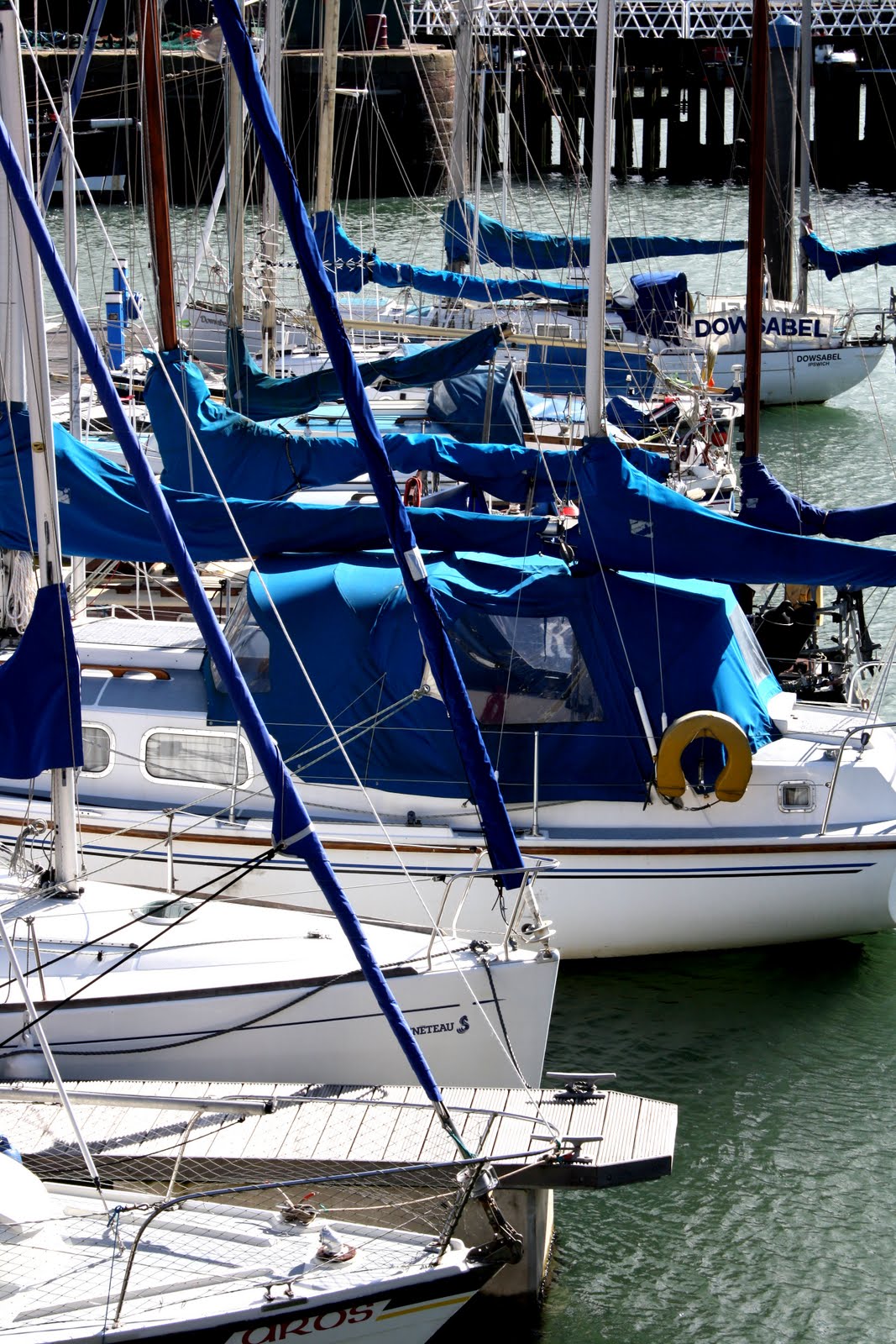
Boats & Masts
Unfortunately I have been out of the studio and in bed sick for what feels like forever so I am miles behind with my current project! So now is the time to crack on with it.
I have decided to design prints based on architecture and structure, looking at various harbours and small fishing villages. I went on a trip to Elgin to take photos and draw and have become a bit obsessed with drawing masts and houses!


I think the next step is to continue source drawing and developing, I don't think I am going to have time to print anything on fabric unfortunately.
I have decided to design prints based on architecture and structure, looking at various harbours and small fishing villages. I went on a trip to Elgin to take photos and draw and have become a bit obsessed with drawing masts and houses!


I think the next step is to continue source drawing and developing, I don't think I am going to have time to print anything on fabric unfortunately.
Thursday, 7 October 2010
Ethical Labour and Design
Ethical Labour & Design
Sarah Stewart
Level Three Textiles
Duncan of Jordanstone College of Art
The clothing industry employs a sixth of the population worldwide. I have chosen to look specifically at ethical labour and design in a textile context by looking at where our clothing is made and working conditions for garment workers. After watching China Blue and reading books like ‘Eco Chic’ I have learned that people are working in dangerous environments, are underpaid and working extreme hours to keep up with the current ‘fast fashion’ trend in Western countries. Fashion used to work in two seasons, now some retailers have up to fifteen. This means that we demand more clothing. I have looked at how major retailers demand extremely low prices from factories, which is the main cause for such poor working conditions.
“For each 100 garments we put together we get $0.05” – garment worker in Nicaragua (Lee, 2007)
During the industrial revolution child labour and bad working conditions became common in the UK. This has now moved overseas. Three quarters of Western clothing is made abroad as it is cheaper to produce and our consumer culture can be maintained at the cost of poor lifestyles for individuals in other countries. For example, Burberry recently shut two factories in Wales and Yorkshire and moved them to China to lower costs (they could get 600,000 polo shirts made for £4 a piece in China instead of £11 in the UK). China is extremely competitive in the textile industry as it has such a fast production rate due to people working up to 150 hours of overtime per month. Unfortunately nine out of ten companies in China do not follow labour laws and it is up to retailers to look at how their workers are treated. Some companies commit to a ‘code of conduct’ but they are often broken.
‘China Blue’ (2005) is a documentary film about the life of Jasmine Lee, a worker in Lifeng factory in China, which produces denim clothing. The main priority of the factory is to meet deadlines set by the companies they work for as if they do not they will lose orders and customer interest. Shifts are from 8am-7pm with overtime most nights. The workers are underpaid and taught to lie to inspectors about their working conditions. Retailers pressurise the factory owner to give them lower prices on the clothing, and to meet these demands the workers have to work (often unpaid) overtime.
In the mid nineties audits were introduced to monitor conditions in some of the factories. These involve reviewing documents, site inspection and interviews with staff. However interviews with workers in different factories show that companies were given up to twenty days notice and had their factories cleaned and paper work faked for the inspectors coming (Alam, 2006).
The Spectrum Disaster in Bangladesh in 2005 is the perfect example of audits not working. It was a nine storied factory without planning permission with terrible working conditions and people working for less than minimum wage. It collapsed shortly after being audited, killing 64 workers and injuring 80. In February 2010 a similar event occurred again in Bangladesh, showing that conditions have not improved.
An article by War on Want (Fashion Victims 2006) looks at factories in Bangladesh producing clothing for three budget retailers– Tesco, Asda and Primark. These companies agreed to this code:
“Workers shall not on a regular basis be required to work in excess of 48 hours per week and shall be provided with at least one day off for every 7 day period on average. Overtime shall be voluntary, shall not exceed 12 hours per week, shall not be demanded on a regular basis and shall always be compensated at a premium rate” (Alam, 2006)

The report shows how the rules they have promised to follow are constantly violated and highlights how voluntary codes of conduct do not work. Most workers across the six factories investigated work 12-16 hours per day, seven days a week. There is a preference to female workers (3/4 of the workers in the factories were female) as they are easier to exploit, they are afraid to speak out about problems in the work place.
The follow up report (Fashion Victims 2008) shows that conditions have only worsened. ‘Fast Fashion’ is ever increasing and so is the pressure on factories.
Workers still do not earn a living wage (defined as ‘a wage sufficient for a worker and family to subsist comfortably’) and working conditions are still terrible. In 2007 a new government took over and banned Trade Unions, allowing the police and factory management to work together to stop labour protests. There are no regulations for the Bangladeshi garment industry and subsequently most workers do not have contracts, allowing companies to refuse sick pay, maternity leave and redundancy pay.
When it comes to ethical design, textile design is a very important aspect. The globalised economy means that the clothing industry has mostly moved overseas. We are demanding so much with such tight deadlines that companies use suppliers and produces in a long ‘supply chain’ to get the lowest prices possible for the production of their products and a high percentage of it is made in sweatshops with poor working conditions. As a textile designer it is important to think about finding ways to source ethical materials and labour.
It is up to retailers and designers to source their products ethically. ‘Eco-chic’ is becoming a big thing and there are a lot of websites and shops which try to source all of their products ethically. As a textile designer this topic is particularly interesting to me and it is important to consider design ethics within personal working practices.
Consumers also need to feel reassured that their purchases have been fairly sourced. In shops at present there is very little information about this despite social audits being carried out in factories overseas. Looking at the supply chain for many retailers it is difficult for consumers to find out where their product has originated. It has been shown that 85% of people do not want clothing from sweatshops and 90% do not want clothing made using child labour (Lee, 2007). Therefore it should be made easier for consumers to find information about where their product was sourced and who made it so that they can make a conscious decision about what they are buying.
It is interesting to look at what is happening right now on this topic. There are many groups trying to help the situation; War on Want, The Maquila Solidarity Network, Multi Stakeholder Initiatives (MSI) for example. The UK government is currently promoting MSI’s as the solution to the problem. Committing to one for a company means to agree to follow a code of conduct concerning ethical labour. Since reputation is so important to retailers to keep sales up and customers happy, it looks good for them to be involved with MSI’s. Otherwise they have to defend where they source their materials and labour. There have been many companies highlighted for poor working conditions in recent years and this can affect their reputation. For example there have been ‘Panorama’ episodes about Nike, Gap and Primark showing unethical labour practices.
The next step for designers and retailers in my opinion is to do research into the problem, provide more information for consumers through labelling and marketing of an ethical brand and to continue campaigning for ethical working practices.
Lee, M. 2007. Eco Chic: The Savvy Shoppers Guide to Ethical Fashion. Gaia Books Ltd, London
Alam, K. 2006. Fashion Victims, War on Want. Available at http://www.waronwant.org/campaigns/love-fashion-hate-sweatshops/fashion-victims/inform/13593-fashion-victims
Alam, K. 2008. Fashion Victims 2, War on Want. Available at http://www.waronwant.org/campaigns/love-fashion-hate-sweatshops/fashion-victims/inform/16360-fashion-victims-ii
China Blue. 2005 [documentary film] Micha Peled. China: Teddy Bear Films,
International Labour Organisation. 2010. Facts on Child Labour 2010. Available at http://www.ilo.org/wcmsp5/groups/public/---dgreports/---dcomm/documents/publication/wcms_126685.pdf
http://en.maquilasolidarity.org/
http://fashioninganethicalindustry.org
Sarah Stewart
Level Three Textiles
Duncan of Jordanstone College of Art
The clothing industry employs a sixth of the population worldwide. I have chosen to look specifically at ethical labour and design in a textile context by looking at where our clothing is made and working conditions for garment workers. After watching China Blue and reading books like ‘Eco Chic’ I have learned that people are working in dangerous environments, are underpaid and working extreme hours to keep up with the current ‘fast fashion’ trend in Western countries. Fashion used to work in two seasons, now some retailers have up to fifteen. This means that we demand more clothing. I have looked at how major retailers demand extremely low prices from factories, which is the main cause for such poor working conditions.
“For each 100 garments we put together we get $0.05” – garment worker in Nicaragua (Lee, 2007)
During the industrial revolution child labour and bad working conditions became common in the UK. This has now moved overseas. Three quarters of Western clothing is made abroad as it is cheaper to produce and our consumer culture can be maintained at the cost of poor lifestyles for individuals in other countries. For example, Burberry recently shut two factories in Wales and Yorkshire and moved them to China to lower costs (they could get 600,000 polo shirts made for £4 a piece in China instead of £11 in the UK). China is extremely competitive in the textile industry as it has such a fast production rate due to people working up to 150 hours of overtime per month. Unfortunately nine out of ten companies in China do not follow labour laws and it is up to retailers to look at how their workers are treated. Some companies commit to a ‘code of conduct’ but they are often broken.
‘China Blue’ (2005) is a documentary film about the life of Jasmine Lee, a worker in Lifeng factory in China, which produces denim clothing. The main priority of the factory is to meet deadlines set by the companies they work for as if they do not they will lose orders and customer interest. Shifts are from 8am-7pm with overtime most nights. The workers are underpaid and taught to lie to inspectors about their working conditions. Retailers pressurise the factory owner to give them lower prices on the clothing, and to meet these demands the workers have to work (often unpaid) overtime.
In the mid nineties audits were introduced to monitor conditions in some of the factories. These involve reviewing documents, site inspection and interviews with staff. However interviews with workers in different factories show that companies were given up to twenty days notice and had their factories cleaned and paper work faked for the inspectors coming (Alam, 2006).
The Spectrum Disaster in Bangladesh in 2005 is the perfect example of audits not working. It was a nine storied factory without planning permission with terrible working conditions and people working for less than minimum wage. It collapsed shortly after being audited, killing 64 workers and injuring 80. In February 2010 a similar event occurred again in Bangladesh, showing that conditions have not improved.
An article by War on Want (Fashion Victims 2006) looks at factories in Bangladesh producing clothing for three budget retailers– Tesco, Asda and Primark. These companies agreed to this code:
“Workers shall not on a regular basis be required to work in excess of 48 hours per week and shall be provided with at least one day off for every 7 day period on average. Overtime shall be voluntary, shall not exceed 12 hours per week, shall not be demanded on a regular basis and shall always be compensated at a premium rate” (Alam, 2006)

The report shows how the rules they have promised to follow are constantly violated and highlights how voluntary codes of conduct do not work. Most workers across the six factories investigated work 12-16 hours per day, seven days a week. There is a preference to female workers (3/4 of the workers in the factories were female) as they are easier to exploit, they are afraid to speak out about problems in the work place.
The follow up report (Fashion Victims 2008) shows that conditions have only worsened. ‘Fast Fashion’ is ever increasing and so is the pressure on factories.
Workers still do not earn a living wage (defined as ‘a wage sufficient for a worker and family to subsist comfortably’) and working conditions are still terrible. In 2007 a new government took over and banned Trade Unions, allowing the police and factory management to work together to stop labour protests. There are no regulations for the Bangladeshi garment industry and subsequently most workers do not have contracts, allowing companies to refuse sick pay, maternity leave and redundancy pay.
When it comes to ethical design, textile design is a very important aspect. The globalised economy means that the clothing industry has mostly moved overseas. We are demanding so much with such tight deadlines that companies use suppliers and produces in a long ‘supply chain’ to get the lowest prices possible for the production of their products and a high percentage of it is made in sweatshops with poor working conditions. As a textile designer it is important to think about finding ways to source ethical materials and labour.
It is up to retailers and designers to source their products ethically. ‘Eco-chic’ is becoming a big thing and there are a lot of websites and shops which try to source all of their products ethically. As a textile designer this topic is particularly interesting to me and it is important to consider design ethics within personal working practices.
Consumers also need to feel reassured that their purchases have been fairly sourced. In shops at present there is very little information about this despite social audits being carried out in factories overseas. Looking at the supply chain for many retailers it is difficult for consumers to find out where their product has originated. It has been shown that 85% of people do not want clothing from sweatshops and 90% do not want clothing made using child labour (Lee, 2007). Therefore it should be made easier for consumers to find information about where their product was sourced and who made it so that they can make a conscious decision about what they are buying.
It is interesting to look at what is happening right now on this topic. There are many groups trying to help the situation; War on Want, The Maquila Solidarity Network, Multi Stakeholder Initiatives (MSI) for example. The UK government is currently promoting MSI’s as the solution to the problem. Committing to one for a company means to agree to follow a code of conduct concerning ethical labour. Since reputation is so important to retailers to keep sales up and customers happy, it looks good for them to be involved with MSI’s. Otherwise they have to defend where they source their materials and labour. There have been many companies highlighted for poor working conditions in recent years and this can affect their reputation. For example there have been ‘Panorama’ episodes about Nike, Gap and Primark showing unethical labour practices.
The next step for designers and retailers in my opinion is to do research into the problem, provide more information for consumers through labelling and marketing of an ethical brand and to continue campaigning for ethical working practices.
Lee, M. 2007. Eco Chic: The Savvy Shoppers Guide to Ethical Fashion. Gaia Books Ltd, London
Alam, K. 2006. Fashion Victims, War on Want. Available at http://www.waronwant.org/campaigns/love-fashion-hate-sweatshops/fashion-victims/inform/13593-fashion-victims
Alam, K. 2008. Fashion Victims 2, War on Want. Available at http://www.waronwant.org/campaigns/love-fashion-hate-sweatshops/fashion-victims/inform/16360-fashion-victims-ii
China Blue. 2005 [documentary film] Micha Peled. China: Teddy Bear Films,
International Labour Organisation. 2010. Facts on Child Labour 2010. Available at http://www.ilo.org/wcmsp5/groups/public/---dgreports/---dcomm/documents/publication/wcms_126685.pdf
http://en.maquilasolidarity.org/
http://fashioninganethicalindustry.org
Monday, 4 October 2010
"How could there ever really be a place for ethics in an industry dominated by aesthetics?"

This is my mind map for my topic so far.
Sunday, 19 September 2010

Tuesday, 14 September 2010



Wednesday, 31 March 2010
Assignment 5 - Part 2
One of my studio briefs this year was titled ‘culture’. I chose to look at culture in terms of architecture in Dundee. Looking back at the project I am definitely not satisfied with the research that went into it and if I had the chance to do it again I would definitely make changes to how I tackled the research part of the project, especially after experimenting with different research methods in Design Studies. In the future I will try to incorporate these methods into my studio practice as I feel they would give me a better understanding of the topic I am studying and therefore give me a better outcome.
The research work I did for this brief consisted of taking photographs of different parts of the city, drawing buildings and skylines and looking at various artists that used cityscapes in their work. This was clearly not enough to understand the city landscape in terms of how the culture has changed, I only got an idea of what was happening at that moment. If I was to start the project again there are several things I would do.
Firstly I would use interviewing to ask members of the public what they thought of how Dundee has changed and how it is changing at the moment.
The wind turbines are quite a prominent and new feature of Dundee’s skyline. I think they would be a good starting point for getting different people’s views about the changing skyline; whether they like how they look or not and if they think they are a good addition to the city. Just typing ‘Dundee wind turbines’ into Google has given me access to opinions about plans for two more wind turbines for the city. This is a very current issue as being ‘environmentally-friendly’ is a large part of our culture and it would be interesting to compare the views of different generations about these changes.
Primary research to investigate this further could be interviewing Dundee residents and using surveys to find out general opinion about various features of the Dundee skyline. I feel that interviewing older people to find out how the city’s architecture has changed over a period of time could give me some interesting information. I could also ask for opinions about the plans for the future of Dundee (the Victoria & Albert museum and the two wind turbines for example).
I could use the secondary research skills developed in semester one to look in the library for any research already undertaken about the city’s architecture as well as the plans for the future. It would be interesting to see the building plans for prominent parts of Dundee skyline from the past and compare them to how they look in reality.
There are massive plans to completely change Dundee waterfront by 2030. There is a video available on the internet showing how Dundee City Council plan to completely change the look of the city over the next twenty years to connect the town centre to the waterfront. Showing the public this video and asking for their opinions could give me a good idea of how people feel about the changing face of Dundee.
I could also use a picture time line to show how the city has changed by looking in the library for pictures of Dundee from across the Tay at different times in the past, my own photographs from right now and then continue it on using the building plans for the work that is to be undertaken over the next twenty years. It would be interesting to compare the older photographs to what was happening in society at the time and see if there are any cultural links between the buildings and what was going on.
After looking back at the ‘culture’ project I feel quite annoyed at myself for not seeing the potential in the topic I had chosen.
For level three I feel I am better equipped to handle research and I think I have a bit more confidence to ask questions to people I do not know well and get information first hand instead of relying on other people’s research.
I think the assignments we have been given and the books we have been assigned to read have changed the way I think about design in general. When I thought about what design was I would think about researching a topic, pulling out interesting information and making something out of this within my discipline. I definitely now see design in a wider sense due to the wide variety of lectures on the course as well as the assignments.
For example our third assignment this semester was about observing a public space, paying attention to what was happening around me, how the space was designed to function and how people were acting. This has definitely made me pay more attention to my surroundings, questioning them and considering what my discipline can do to improve situations and spaces.
The way I think about what I do has also changed after seeing how designers do not necessarily stick to their specific discipline from lectures. I feel like there are many more options for me than being a fashion or interior textile designer. I have never thought of myself specifically as a textile designer. Since starting this course I have thought of myself as an art student, with textile pieces as the outcome from a body of drawing and visual research.
When I started the culture project I do not think I appreciated how important the research part of the design process was. I went straight for drawing and development into samples far too quickly and would really have benefited from using the research techniques I have now learned to get a better understanding of my topic. In level three I intend to do much more extensive research when starting a new project using these skills and hopefully by developing more ways to get information.
The research work I did for this brief consisted of taking photographs of different parts of the city, drawing buildings and skylines and looking at various artists that used cityscapes in their work. This was clearly not enough to understand the city landscape in terms of how the culture has changed, I only got an idea of what was happening at that moment. If I was to start the project again there are several things I would do.
Firstly I would use interviewing to ask members of the public what they thought of how Dundee has changed and how it is changing at the moment.
The wind turbines are quite a prominent and new feature of Dundee’s skyline. I think they would be a good starting point for getting different people’s views about the changing skyline; whether they like how they look or not and if they think they are a good addition to the city. Just typing ‘Dundee wind turbines’ into Google has given me access to opinions about plans for two more wind turbines for the city. This is a very current issue as being ‘environmentally-friendly’ is a large part of our culture and it would be interesting to compare the views of different generations about these changes.
Primary research to investigate this further could be interviewing Dundee residents and using surveys to find out general opinion about various features of the Dundee skyline. I feel that interviewing older people to find out how the city’s architecture has changed over a period of time could give me some interesting information. I could also ask for opinions about the plans for the future of Dundee (the Victoria & Albert museum and the two wind turbines for example).
I could use the secondary research skills developed in semester one to look in the library for any research already undertaken about the city’s architecture as well as the plans for the future. It would be interesting to see the building plans for prominent parts of Dundee skyline from the past and compare them to how they look in reality.
There are massive plans to completely change Dundee waterfront by 2030. There is a video available on the internet showing how Dundee City Council plan to completely change the look of the city over the next twenty years to connect the town centre to the waterfront. Showing the public this video and asking for their opinions could give me a good idea of how people feel about the changing face of Dundee.
I could also use a picture time line to show how the city has changed by looking in the library for pictures of Dundee from across the Tay at different times in the past, my own photographs from right now and then continue it on using the building plans for the work that is to be undertaken over the next twenty years. It would be interesting to compare the older photographs to what was happening in society at the time and see if there are any cultural links between the buildings and what was going on.
After looking back at the ‘culture’ project I feel quite annoyed at myself for not seeing the potential in the topic I had chosen.
For level three I feel I am better equipped to handle research and I think I have a bit more confidence to ask questions to people I do not know well and get information first hand instead of relying on other people’s research.
I think the assignments we have been given and the books we have been assigned to read have changed the way I think about design in general. When I thought about what design was I would think about researching a topic, pulling out interesting information and making something out of this within my discipline. I definitely now see design in a wider sense due to the wide variety of lectures on the course as well as the assignments.
For example our third assignment this semester was about observing a public space, paying attention to what was happening around me, how the space was designed to function and how people were acting. This has definitely made me pay more attention to my surroundings, questioning them and considering what my discipline can do to improve situations and spaces.
The way I think about what I do has also changed after seeing how designers do not necessarily stick to their specific discipline from lectures. I feel like there are many more options for me than being a fashion or interior textile designer. I have never thought of myself specifically as a textile designer. Since starting this course I have thought of myself as an art student, with textile pieces as the outcome from a body of drawing and visual research.
When I started the culture project I do not think I appreciated how important the research part of the design process was. I went straight for drawing and development into samples far too quickly and would really have benefited from using the research techniques I have now learned to get a better understanding of my topic. In level three I intend to do much more extensive research when starting a new project using these skills and hopefully by developing more ways to get information.
Assignment 5 - Part One.
Over semester two I have been taught to observe closely and to gather information through first hand research. Our first four assignments asked us to look at people, objects and environments and ask why they are as they are as well as how design could improve situations. In semester one I studied sustainable textiles and the current culture of consumerism including the ‘fast fashion’ trend by reading journals and parts of books written about the subject. To research this further I could use some of the primary skills acquired in semester two.
The research I looked at showed that ‘fast fashion’ has become a big problem – people buy lots of cheap items, dispose of them and buy new items at a fast rate. This has lead to a huge increase in textile waste in the past five to ten years, which is bad for our environment. It looked at the nature of shoppers and the lack of information available about the problem. The stigma has been removed from buying clothes from ‘value’ stores and new styles come into the shops every two weeks for people who want new clothes often, so there is a large amount of clothing being thrown away even when it is in good condition.
The next step for me after studying other people’s research about sustainable textiles is to get my own primary research by speaking to members of the public. I could ask about our current consumer culture and look at how we could become more environmentally friendly with our attitudes to shopping and textile waste in the future. I would also like to look at what contributes to the way that we consume in terms of advertising and the media.
To carry out the research I think each of the assignments undertaken in semester two could be useful.
The first and third assignments were about observation of a space. The first one made me look closely at another design students personal possessions and gather information about them based on these items. The other one made me spend time looking at what was going on in a public space in more detail than I normally would and question why certain things were happening. From this I got a lot of notes about how comfortable people were, how people were acting and how effective the layout of the shop was. I think these assignments were meant to make me open my eyes to detail and think like a designer instead of as a consumer. This approach to information gathering would be useful for looking at shopping habits. I could ask clothing shops if I could observe shoppers behaviour and take notes to understand the way in which people shop at the moment. This could help when thinking about how we can change our shopping habits and when thinking of how to sell more sustainable products.
Another of our assignments was about how images can have more than one meaning. It made me think about advertising and how it manipulates people to understand a certain message from a picture. We were told to experiment with a series of random images by firstly getting stories from several people through linking the images then adding text and more images to try and make other people get that story when they looked at them. This could be useful for me in a few ways. By examining fashion magazines, television and internet adverts I could get a better understanding of how these things affect the public’s taste and the way that we buy things by portraying a specific message. This assignment showed me how much power the media gains through using pictures, they could have a big role to play in raising awareness about the sustainability issue.
Our last assignment, interviewing with questions based around one main question, allowed me to experience interviewing someone and showed me the difficulties in being selective and steering a conversation to get the right information to answer specific questions. The topic I chose to interview about was ‘how do people accumulate stuff?’ In this I asked about shopping habits so this information could already be useful. Interviewing members of the public could be the most important part of this research. I would firstly ask about peoples shopping habits at the moment: how often people buy new clothes, if they keep the items for long and how they dispose of their unwanted clothing. Using this method I could also find out more about how much the media effects what people buy and look for links between the magazines people read and how much they know about sustainable textiles.
It would also be useful to find out about different members of the publics current awareness about textile sustainability. I could do this by interviewing a wide variety of people from different age groups. This could help to see what could to be done to raise awareness in some age groups. From the research I studied in semester one it was shown that the problem mainly lies with young consumers who want new outfits regularly.
I think questions about materialism and sentimentality could help to show how people look at their possessions and how meaningful different objects, or items of clothing, are to them to show how disposable people think their clothing is.
I also found in my research in semester one that convenience is key for recycling, I could therefore try to find out what would make people want to recycle their clothing and textiles and how to make this more convenient.
Using the skills learned in semester two to further this research I think I could get quite a lot of information. I feel it would also benefit this research to create a survey to get information on a wider scale. From my previous research I saw that environmental problems have increased in recent years and so has general interest in recycling so it would be helpful to get a survey to see how much the public knows about sustainable textiles compared to other methods of recycling.
Using the skills acquired in the research parts of the semester two assignments as well as by creating a survey I feel I could build up a large amount of first hand research information.
The research I looked at showed that ‘fast fashion’ has become a big problem – people buy lots of cheap items, dispose of them and buy new items at a fast rate. This has lead to a huge increase in textile waste in the past five to ten years, which is bad for our environment. It looked at the nature of shoppers and the lack of information available about the problem. The stigma has been removed from buying clothes from ‘value’ stores and new styles come into the shops every two weeks for people who want new clothes often, so there is a large amount of clothing being thrown away even when it is in good condition.
The next step for me after studying other people’s research about sustainable textiles is to get my own primary research by speaking to members of the public. I could ask about our current consumer culture and look at how we could become more environmentally friendly with our attitudes to shopping and textile waste in the future. I would also like to look at what contributes to the way that we consume in terms of advertising and the media.
To carry out the research I think each of the assignments undertaken in semester two could be useful.
The first and third assignments were about observation of a space. The first one made me look closely at another design students personal possessions and gather information about them based on these items. The other one made me spend time looking at what was going on in a public space in more detail than I normally would and question why certain things were happening. From this I got a lot of notes about how comfortable people were, how people were acting and how effective the layout of the shop was. I think these assignments were meant to make me open my eyes to detail and think like a designer instead of as a consumer. This approach to information gathering would be useful for looking at shopping habits. I could ask clothing shops if I could observe shoppers behaviour and take notes to understand the way in which people shop at the moment. This could help when thinking about how we can change our shopping habits and when thinking of how to sell more sustainable products.
Another of our assignments was about how images can have more than one meaning. It made me think about advertising and how it manipulates people to understand a certain message from a picture. We were told to experiment with a series of random images by firstly getting stories from several people through linking the images then adding text and more images to try and make other people get that story when they looked at them. This could be useful for me in a few ways. By examining fashion magazines, television and internet adverts I could get a better understanding of how these things affect the public’s taste and the way that we buy things by portraying a specific message. This assignment showed me how much power the media gains through using pictures, they could have a big role to play in raising awareness about the sustainability issue.
Our last assignment, interviewing with questions based around one main question, allowed me to experience interviewing someone and showed me the difficulties in being selective and steering a conversation to get the right information to answer specific questions. The topic I chose to interview about was ‘how do people accumulate stuff?’ In this I asked about shopping habits so this information could already be useful. Interviewing members of the public could be the most important part of this research. I would firstly ask about peoples shopping habits at the moment: how often people buy new clothes, if they keep the items for long and how they dispose of their unwanted clothing. Using this method I could also find out more about how much the media effects what people buy and look for links between the magazines people read and how much they know about sustainable textiles.
It would also be useful to find out about different members of the publics current awareness about textile sustainability. I could do this by interviewing a wide variety of people from different age groups. This could help to see what could to be done to raise awareness in some age groups. From the research I studied in semester one it was shown that the problem mainly lies with young consumers who want new outfits regularly.
I think questions about materialism and sentimentality could help to show how people look at their possessions and how meaningful different objects, or items of clothing, are to them to show how disposable people think their clothing is.
I also found in my research in semester one that convenience is key for recycling, I could therefore try to find out what would make people want to recycle their clothing and textiles and how to make this more convenient.
Using the skills learned in semester two to further this research I think I could get quite a lot of information. I feel it would also benefit this research to create a survey to get information on a wider scale. From my previous research I saw that environmental problems have increased in recent years and so has general interest in recycling so it would be helpful to get a survey to see how much the public knows about sustainable textiles compared to other methods of recycling.
Using the skills acquired in the research parts of the semester two assignments as well as by creating a survey I feel I could build up a large amount of first hand research information.
Friday, 26 March 2010
Future Craft Lecture & Exhibition Opening
After our lecture about 'future craft' we were invited to the exhibition opening in the Matthew building. With out the lecture it would have been difficult to fully understand the pieces shown, and with out going to the exhibition it would have been difficult to understand the lecture!
There were three speakers: Tim Parry-Williams, Drummond Masterton and Hazel White.
The time and physical work put into Tim Parry-Williams' weaving is amazing, since the pieces are hand woven. When i think of weaving I think of the horrible, lumpy samples I made in semester one. I know how much time and effort I put into those so to see such perfect pieces of cloth amazes me.
Looking at the pictures of Drummond Mastertons work I assumed the pieces would be massive, however they were quite small and intricate. I was finding it difficult to understand what they actually were during the lecture, but seeing them in real life really surprised me, they are detailed, beautiful pieces of work.
Hazel White has given us a lecture before so I recognised the photographs of her work that she showed us. It was fantastic to see them in real life, to interact with them. I find her work quite inspiring and I think it shows what could be possible in the future.
I also enjoyed Frances Stevenson and Georgina Follett's work.
I love interactive art and I think it was a fantastic idea to allow the viewer to build an outfit on a mannequin using Francis Stevensons prints.
The exhibition opening was absolutely packed so I don't think I had enough time to look at the pieces properly. There was also quite a lot of writing so I think I will go back and take a longer look around.
There were three speakers: Tim Parry-Williams, Drummond Masterton and Hazel White.
The time and physical work put into Tim Parry-Williams' weaving is amazing, since the pieces are hand woven. When i think of weaving I think of the horrible, lumpy samples I made in semester one. I know how much time and effort I put into those so to see such perfect pieces of cloth amazes me.
Looking at the pictures of Drummond Mastertons work I assumed the pieces would be massive, however they were quite small and intricate. I was finding it difficult to understand what they actually were during the lecture, but seeing them in real life really surprised me, they are detailed, beautiful pieces of work.
Hazel White has given us a lecture before so I recognised the photographs of her work that she showed us. It was fantastic to see them in real life, to interact with them. I find her work quite inspiring and I think it shows what could be possible in the future.
I also enjoyed Frances Stevenson and Georgina Follett's work.
I love interactive art and I think it was a fantastic idea to allow the viewer to build an outfit on a mannequin using Francis Stevensons prints.
The exhibition opening was absolutely packed so I don't think I had enough time to look at the pieces properly. There was also quite a lot of writing so I think I will go back and take a longer look around.
Sunday, 21 March 2010
Falconry
Drawing at the falconry was great, the people were really helpful and allowed me to take photos, draw for hours and take home lots of feathers. Dad pointed out that people do want to help and tell you what they are doing, you just have to ask.


Friday, 19 March 2010
New project!
For my self motivated project I have chosen to study birds and flight. I love life drawing, especially really quick sketching so I think it will be very interesting
I went up to museum services with Jacqui who is also doing birds and managed to borrow some stuffed ones to draw and take photographs of:


Also just got an email back from Fife Falconry and I'm going to draw some birds of prey this weekend!
I went up to museum services with Jacqui who is also doing birds and managed to borrow some stuffed ones to draw and take photographs of:


Also just got an email back from Fife Falconry and I'm going to draw some birds of prey this weekend!
Tuesday, 16 March 2010
Interview assignment
'How do people accumulate stuff' is the question I chose for assignment 4. I asked nine questions about where people shop, what they keep for certain periods of time and which items they collect. I also asked about holidays and what people bring back from different types of holidays because I know that a lot of the stuff in my room is from family 'cultural' day trips and holidays.
Firstly I asked Jacqui. Jacqui shops mainly in retail shops, buys on trend clothes, which she does not keep for a very long time and buys new clothes quite often. Her last holiday was with friends in Ibiza. She brought back a jumper but no sentimental items. However Jacqui does keep some things. She collected 'me to you' bears when she was younger and still has them as well as 'cherish' teddys and 5-pound coins from when she was born. Finally I asked if she had any items that she thought she would keep forever and she told me that she will keep her Grandmothers jewellery forever and has it safely hidden away.
I think Jacqui is quite a sentimental person but definately not a hoarder! She holds on to a few items that are emotionally attatched to her or have a high value.
Heather was the next person that I interviewed. She told me that she shops in a mixture of places: chain stores, boutiques and antique shops. She likes 'cosy' shops. Heather comes across as quite a homely, sentimental person. Her last holiday was in America with her family where they went to Orlanda. Though she brought back a lot of clothes she also brought back 3000 photographs, park maps, brochures and tickets. Heather says that she collects 'pretty things' like old bottles and shoes. She has a memory box full of pictures, cards and impressions of hands and feet. She also has lots of childrens toys from when she was younger, though she gave some of them to family members with children. They items she said she would keep forever are pictures of her grandparents and parents.
Heather appears to accumulate stuff at quite a high rate! She holds on to lots of items for the memories attatched to them.
Finally I interviewed Mhairi. Mhairi normally shops in retail and charity shops. Her favourite scarf is from a charity shop and was £2. She mostly spends her money on comfortable clothes but trys to update her old wardrobe with the new things she buys. Her latest holiday was to Zanti with friends. She brought back small gifts but it was really more of a party holiday. She collects 'junk', china and teapots. Quite a few people have given her tea cups and pots and her boyfriend gave her a teapot necklace for Christmas, which is one of the items she says she will keep forever, the other being her grandmothers jewellery.
I think this interview has shown differences between different people and their habits. I think it has shown that some people hold onto memories and emotions through items and others don't as much.
I don't really know what to take from this assignment, but it was a very interesting and slightly scary first attempt at interviewing.
Firstly I asked Jacqui. Jacqui shops mainly in retail shops, buys on trend clothes, which she does not keep for a very long time and buys new clothes quite often. Her last holiday was with friends in Ibiza. She brought back a jumper but no sentimental items. However Jacqui does keep some things. She collected 'me to you' bears when she was younger and still has them as well as 'cherish' teddys and 5-pound coins from when she was born. Finally I asked if she had any items that she thought she would keep forever and she told me that she will keep her Grandmothers jewellery forever and has it safely hidden away.
I think Jacqui is quite a sentimental person but definately not a hoarder! She holds on to a few items that are emotionally attatched to her or have a high value.
Heather was the next person that I interviewed. She told me that she shops in a mixture of places: chain stores, boutiques and antique shops. She likes 'cosy' shops. Heather comes across as quite a homely, sentimental person. Her last holiday was in America with her family where they went to Orlanda. Though she brought back a lot of clothes she also brought back 3000 photographs, park maps, brochures and tickets. Heather says that she collects 'pretty things' like old bottles and shoes. She has a memory box full of pictures, cards and impressions of hands and feet. She also has lots of childrens toys from when she was younger, though she gave some of them to family members with children. They items she said she would keep forever are pictures of her grandparents and parents.
Heather appears to accumulate stuff at quite a high rate! She holds on to lots of items for the memories attatched to them.
Finally I interviewed Mhairi. Mhairi normally shops in retail and charity shops. Her favourite scarf is from a charity shop and was £2. She mostly spends her money on comfortable clothes but trys to update her old wardrobe with the new things she buys. Her latest holiday was to Zanti with friends. She brought back small gifts but it was really more of a party holiday. She collects 'junk', china and teapots. Quite a few people have given her tea cups and pots and her boyfriend gave her a teapot necklace for Christmas, which is one of the items she says she will keep forever, the other being her grandmothers jewellery.
I think this interview has shown differences between different people and their habits. I think it has shown that some people hold onto memories and emotions through items and others don't as much.
I don't really know what to take from this assignment, but it was a very interesting and slightly scary first attempt at interviewing.
Sunday, 28 February 2010
Mass Culture & Sustainability

Notes!
I really enjoyed the lecture on Friday. There were so many interesting points, no time just now to do some research on some of the names mentioned, but I will on Wednesday after assignment 3 is done and our main study project presentation is over!
Thursday, 25 February 2010
Assignment 3
25/2
I have experienced some odd behaviour today! Serena, Ailsa and I decided to go to Starbucks when it was fairly busy to start assignment three but it seemed like we walked into a lot of strange scenes on the way down; a man standing in the middle of the DoJ entrance staring confused at his broken brolly (really confused), a man crossing the road on a red man, turning round and expecting a high five for it, a child dropping randomly to the floor and spinning around in circles... weird. Taken a few pages of notes over the hour and a half we were there, thought it was much harder than I expected.
2/3
'Unspoken rules' and etiquette
For assignment three we were asked to observe people and their behaviour in a certain environment. We chose the popular coffee shop Starbucks.
At first I noticed the obvious things; people holding doors open, queing - very orderly and polite. People on their own were generally left on their own, even if there were several empty chairs at their tables.
Then I started to think about the environment we were in. Sound wise there was quiet chatting, no loud talking. Fairly mellow music was on quietly in the background - David Gray, Paolo Nutini, Talking Heads.
Although it is a relaxed, laid back and slow moving atmosphere, there seemed to be some kind of tension. When people walked in the door other people looked over as if they are judging them? When I walked in I did not feel comfortable immediately and took a while to relax.
There seemed to be a pretty varied group of people but I observed that there were mostly adults, students or workers. We all thought it was odd when a group of school children walked in. They took their purchases away, possibly feeling uncomfortable in the adult environment?
I suppose Starbucks is really an adult environment, there are very few children. One woman brought her child but looked very embarrassed when he started crying.
I also went to a pub quiz, I had actually never been to one before! I went with a couple of friends who hadn't been either and found it a bit awkward. Firstly where to get the paper and pens without looking stupid and also where we were supposed to sit etc. This was obviously a completely different atmosphere; the music and the people were louder, there were no children and a lot of alcohol was involved!
People watching is always fun and this assignment has made me look a little closer. It has also introduced me to the fun that is the pub quiz, hopefully we will do better than 9th next time...
I have experienced some odd behaviour today! Serena, Ailsa and I decided to go to Starbucks when it was fairly busy to start assignment three but it seemed like we walked into a lot of strange scenes on the way down; a man standing in the middle of the DoJ entrance staring confused at his broken brolly (really confused), a man crossing the road on a red man, turning round and expecting a high five for it, a child dropping randomly to the floor and spinning around in circles... weird. Taken a few pages of notes over the hour and a half we were there, thought it was much harder than I expected.
2/3
'Unspoken rules' and etiquette
For assignment three we were asked to observe people and their behaviour in a certain environment. We chose the popular coffee shop Starbucks.
At first I noticed the obvious things; people holding doors open, queing - very orderly and polite. People on their own were generally left on their own, even if there were several empty chairs at their tables.
Then I started to think about the environment we were in. Sound wise there was quiet chatting, no loud talking. Fairly mellow music was on quietly in the background - David Gray, Paolo Nutini, Talking Heads.
Although it is a relaxed, laid back and slow moving atmosphere, there seemed to be some kind of tension. When people walked in the door other people looked over as if they are judging them? When I walked in I did not feel comfortable immediately and took a while to relax.
There seemed to be a pretty varied group of people but I observed that there were mostly adults, students or workers. We all thought it was odd when a group of school children walked in. They took their purchases away, possibly feeling uncomfortable in the adult environment?
I suppose Starbucks is really an adult environment, there are very few children. One woman brought her child but looked very embarrassed when he started crying.
I also went to a pub quiz, I had actually never been to one before! I went with a couple of friends who hadn't been either and found it a bit awkward. Firstly where to get the paper and pens without looking stupid and also where we were supposed to sit etc. This was obviously a completely different atmosphere; the music and the people were louder, there were no children and a lot of alcohol was involved!
People watching is always fun and this assignment has made me look a little closer. It has also introduced me to the fun that is the pub quiz, hopefully we will do better than 9th next time...
Subscribe to:
Posts (Atom)
